Housing Policy Neeley Erickson 8/17/26 Housing Policy Neeley Erickson 8/17/26 A Hidden FHA Lien Could Delay a Home Sale. A New Proposal May Help. Read More Housing Policy Neeley Erickson 8/17/26 Housing Policy Neeley Erickson 8/17/26 When Disaster Strikes, the Paperwork Shouldn’t Strike Twice Read More Housing Policy, Local Government & Community Impact Neeley Erickson 5/19/26 Housing Policy, Local Government & Community Impact Neeley Erickson 5/19/26 Doing Nothing Is Also a Housing Policy Read More Housing Policy, Local Government & Community Impact Neeley Erickson 5/11/26 Housing Policy, Local Government & Community Impact Neeley Erickson 5/11/26 How Local Zoning Quietly Erases Naturally Occurring Affordable Housing Read More Housing Policy, Local Government & Community Impact Neeley Erickson 4/29/26 Housing Policy, Local Government & Community Impact Neeley Erickson 4/29/26 What We Choose Not to Build Still Shapes Us Read More Housing Policy, Local Government & Community Impact Neeley Erickson 4/9/26 Housing Policy, Local Government & Community Impact Neeley Erickson 4/9/26 What We Measure Shapes Housing Outcomes Read More Housing Policy, Advocacy, Local Government & Community Impact Neeley Erickson 3/31/26 Housing Policy, Advocacy, Local Government & Community Impact Neeley Erickson 3/31/26 Service, Policy, and the Reality of Housing Read More Housing Policy, Housing Affordability Neeley Erickson 3/24/26 Housing Policy, Housing Affordability Neeley Erickson 3/24/26 The Midwest is having a moment. The question is whether Illinois is ready for it. Read More Housing Policy, Housing Affordability Neeley Erickson 3/20/26 Housing Policy, Housing Affordability Neeley Erickson 3/20/26 When Building Equity Becomes a Barrier to Moving Read More Housing Policy Neeley Erickson 3/3/26 Housing Policy Neeley Erickson 3/3/26 Institutional Investors in Housing: Data, Definitions, and the Federal Executive Order Read More Housing Policy, Advocacy Neeley Erickson 2/27/26 Housing Policy, Advocacy Neeley Erickson 2/27/26 BUILD: The First Layer in Fixing Illinois Housing Read More Housing Policy, Advocacy Neeley Erickson 10/1/25 Housing Policy, Advocacy Neeley Erickson 10/1/25 How Data Strengthens Housing Policy: Why the REALTOR® Statistics Dashboard Matters Read More Housing Policy, Local Government & Community Impact Neeley Erickson 7/17/25 Housing Policy, Local Government & Community Impact Neeley Erickson 7/17/25 When Housing Policy and Transit Funding Collide Read More Property Taxes & Affordability, Housing Policy Neeley Erickson 1/31/25 Property Taxes & Affordability, Housing Policy Neeley Erickson 1/31/25 Property Rights, Tax Foreclosures, and the Ongoing Impact of Tyler v. Hennepin County Read More Advocacy, Property Taxes & Affordability Neeley Erickson 8/27/22 Advocacy, Property Taxes & Affordability Neeley Erickson 8/27/22 It’s Time to Encourage Elected Officials to Reduce Property Taxes Read More Housing Policy, Local Government & Community Impact Neeley Erickson 12/11/21 Housing Policy, Local Government & Community Impact Neeley Erickson 12/11/21 Local Governments Should Invest in Homeownership Read More
Housing Policy Neeley Erickson 8/17/26 Housing Policy Neeley Erickson 8/17/26 A Hidden FHA Lien Could Delay a Home Sale. A New Proposal May Help. Read More
Housing Policy Neeley Erickson 8/17/26 Housing Policy Neeley Erickson 8/17/26 When Disaster Strikes, the Paperwork Shouldn’t Strike Twice Read More
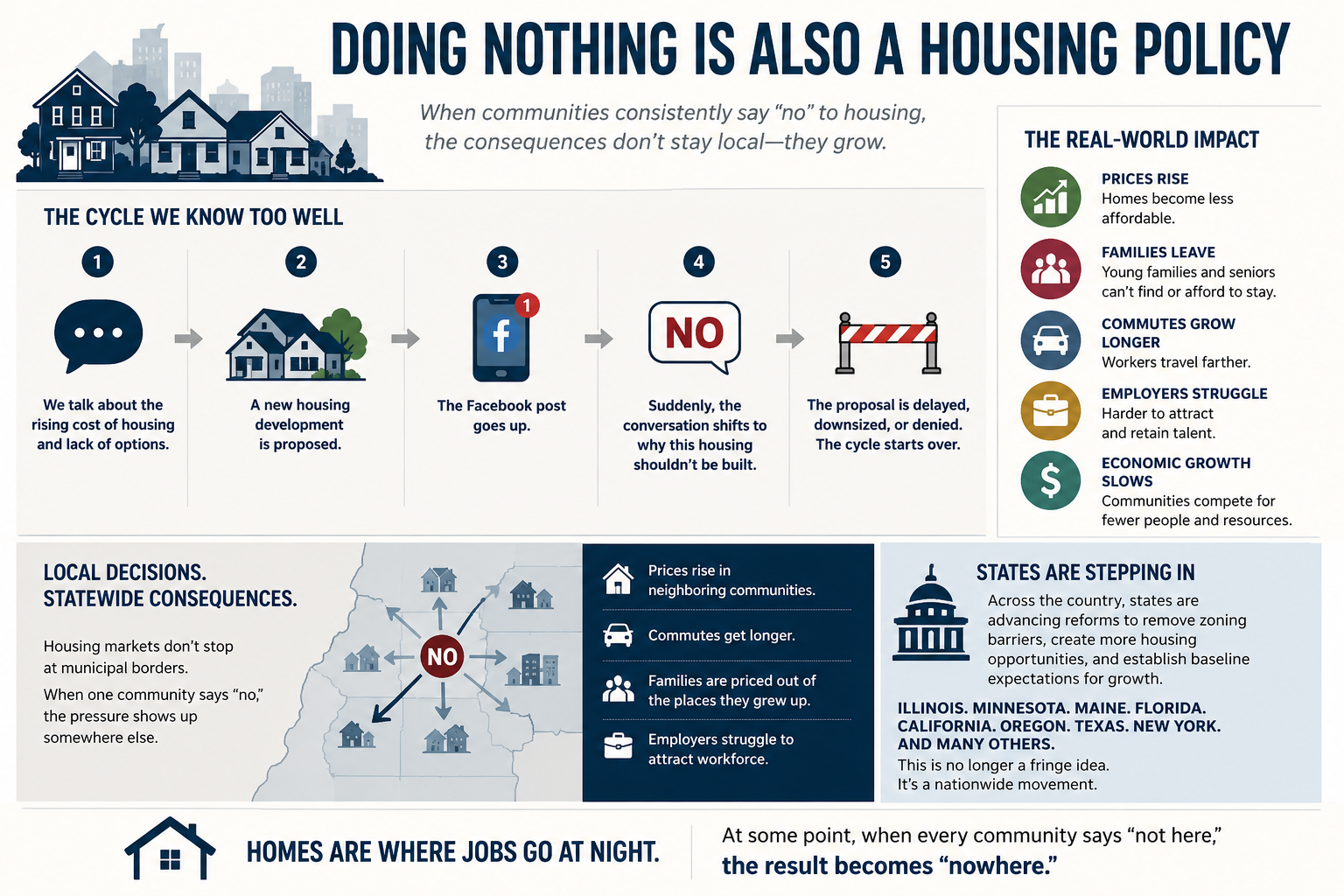
Housing Policy, Local Government & Community Impact Neeley Erickson 5/19/26 Housing Policy, Local Government & Community Impact Neeley Erickson 5/19/26 Doing Nothing Is Also a Housing Policy Read More
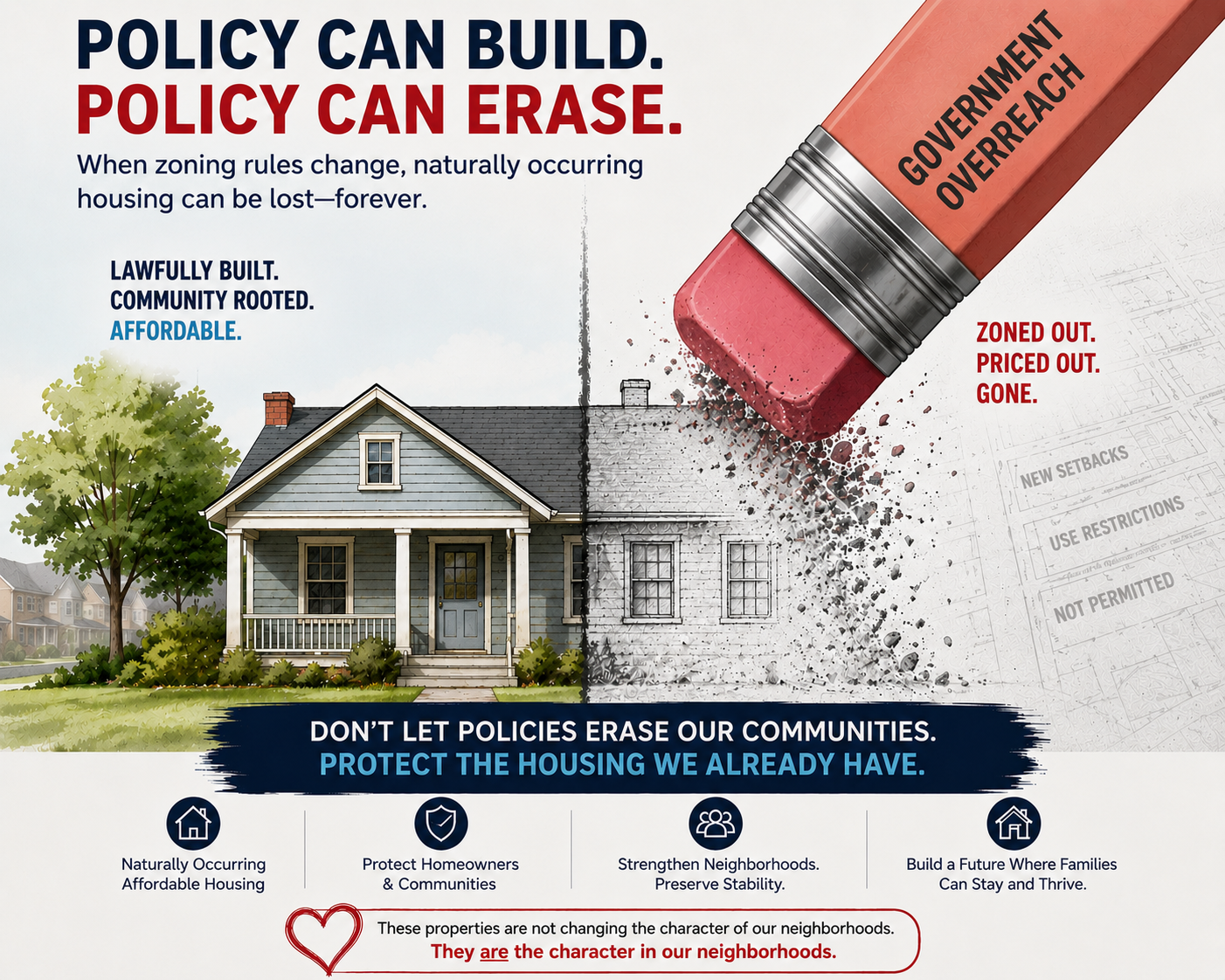
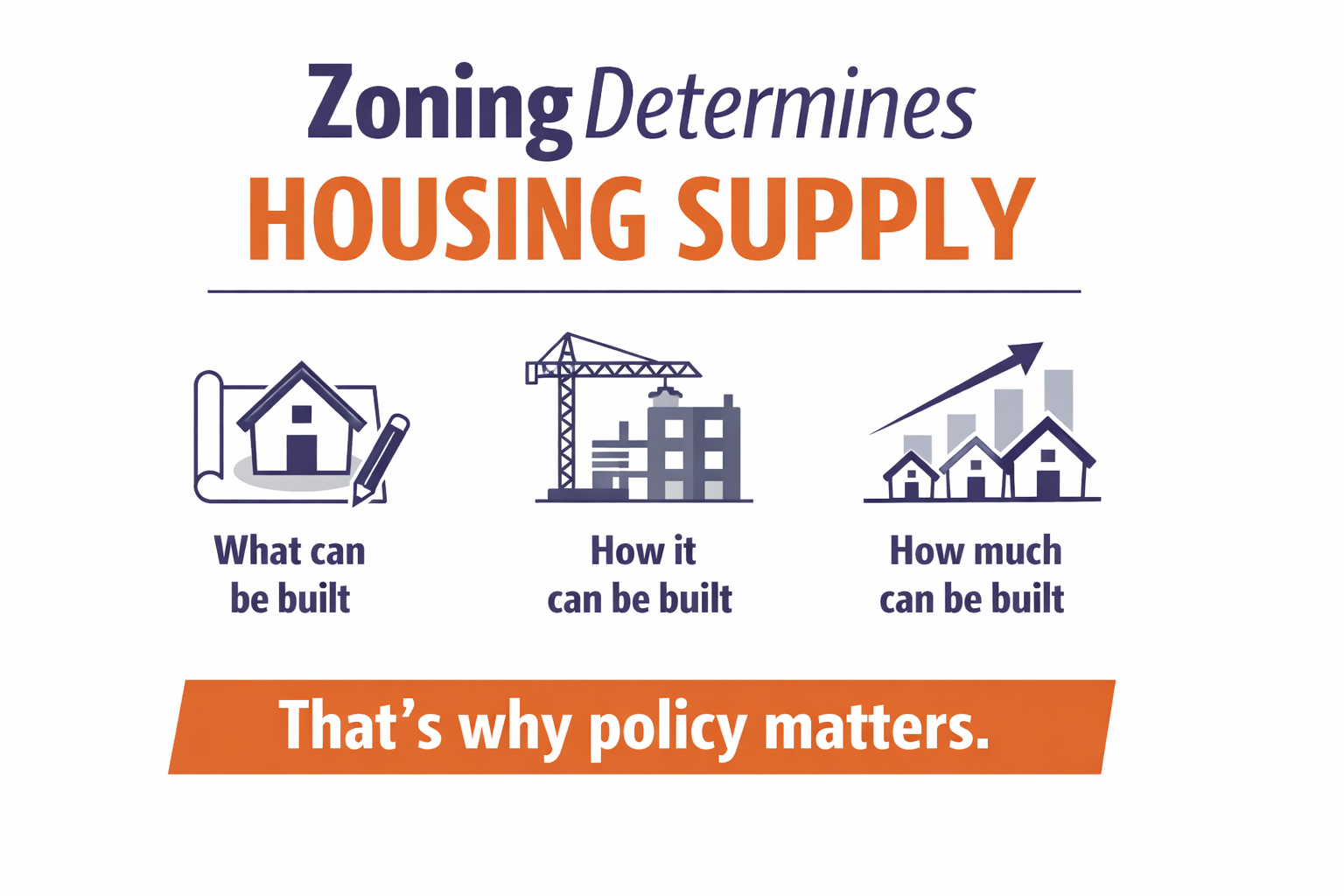
Housing Policy, Local Government & Community Impact Neeley Erickson 5/11/26 Housing Policy, Local Government & Community Impact Neeley Erickson 5/11/26 How Local Zoning Quietly Erases Naturally Occurring Affordable Housing Read More
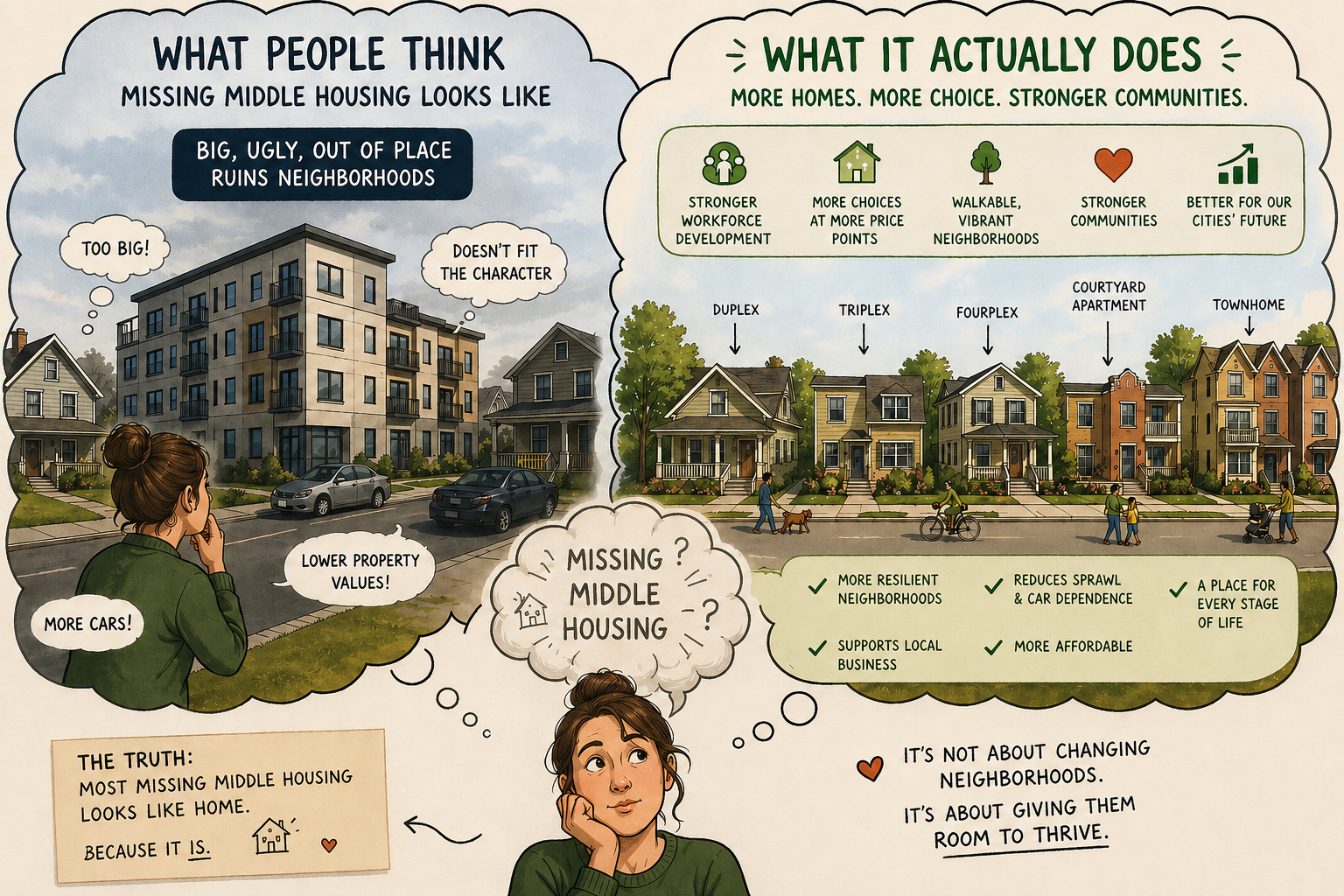
Housing Policy, Local Government & Community Impact Neeley Erickson 4/29/26 Housing Policy, Local Government & Community Impact Neeley Erickson 4/29/26 What We Choose Not to Build Still Shapes Us Read More
Housing Policy, Local Government & Community Impact Neeley Erickson 4/9/26 Housing Policy, Local Government & Community Impact Neeley Erickson 4/9/26 What We Measure Shapes Housing Outcomes Read More
Housing Policy, Advocacy, Local Government & Community Impact Neeley Erickson 3/31/26 Housing Policy, Advocacy, Local Government & Community Impact Neeley Erickson 3/31/26 Service, Policy, and the Reality of Housing Read More
Housing Policy, Housing Affordability Neeley Erickson 3/24/26 Housing Policy, Housing Affordability Neeley Erickson 3/24/26 The Midwest is having a moment. The question is whether Illinois is ready for it. Read More
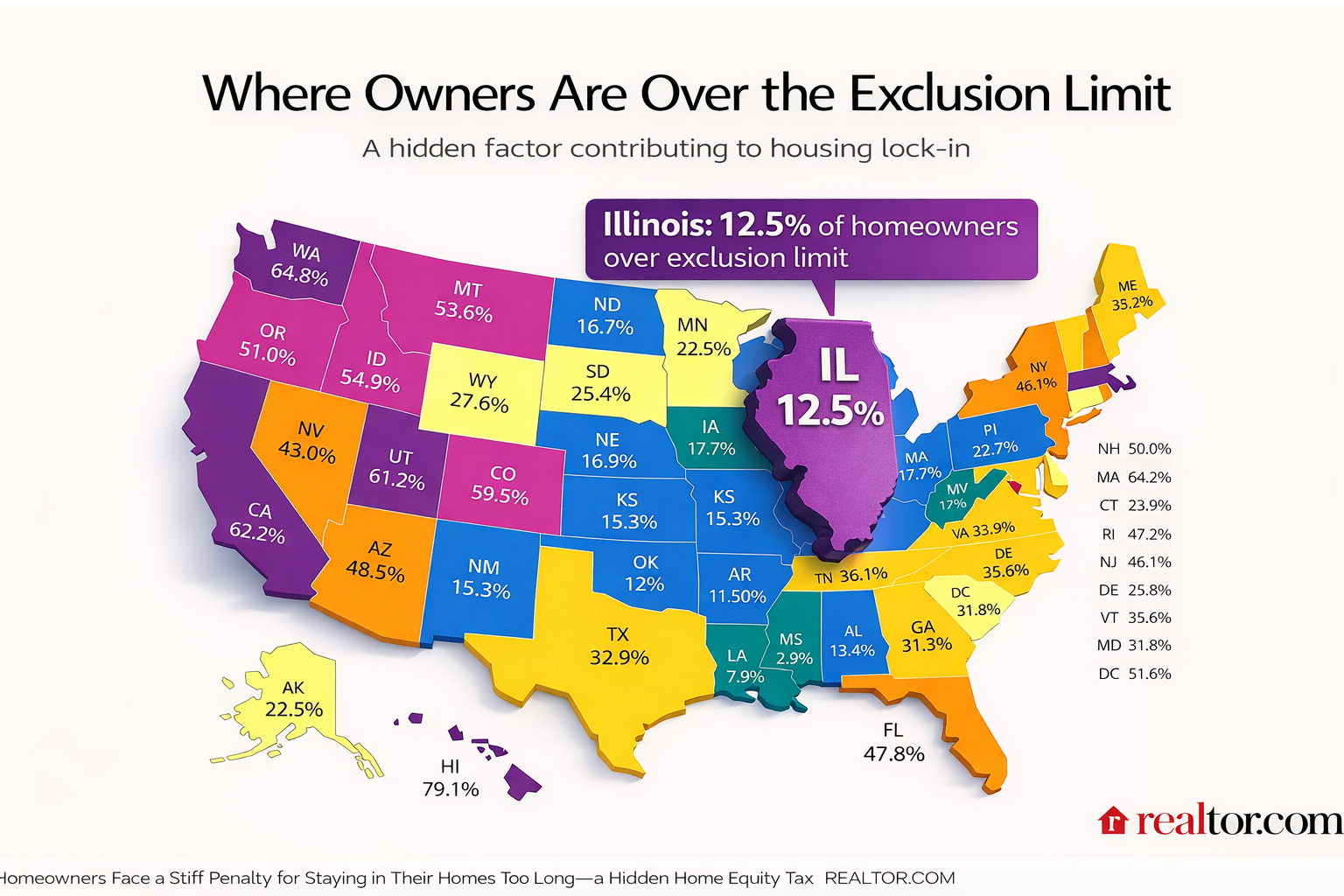
Housing Policy, Housing Affordability Neeley Erickson 3/20/26 Housing Policy, Housing Affordability Neeley Erickson 3/20/26 When Building Equity Becomes a Barrier to Moving Read More
Housing Policy Neeley Erickson 3/3/26 Housing Policy Neeley Erickson 3/3/26 Institutional Investors in Housing: Data, Definitions, and the Federal Executive Order Read More
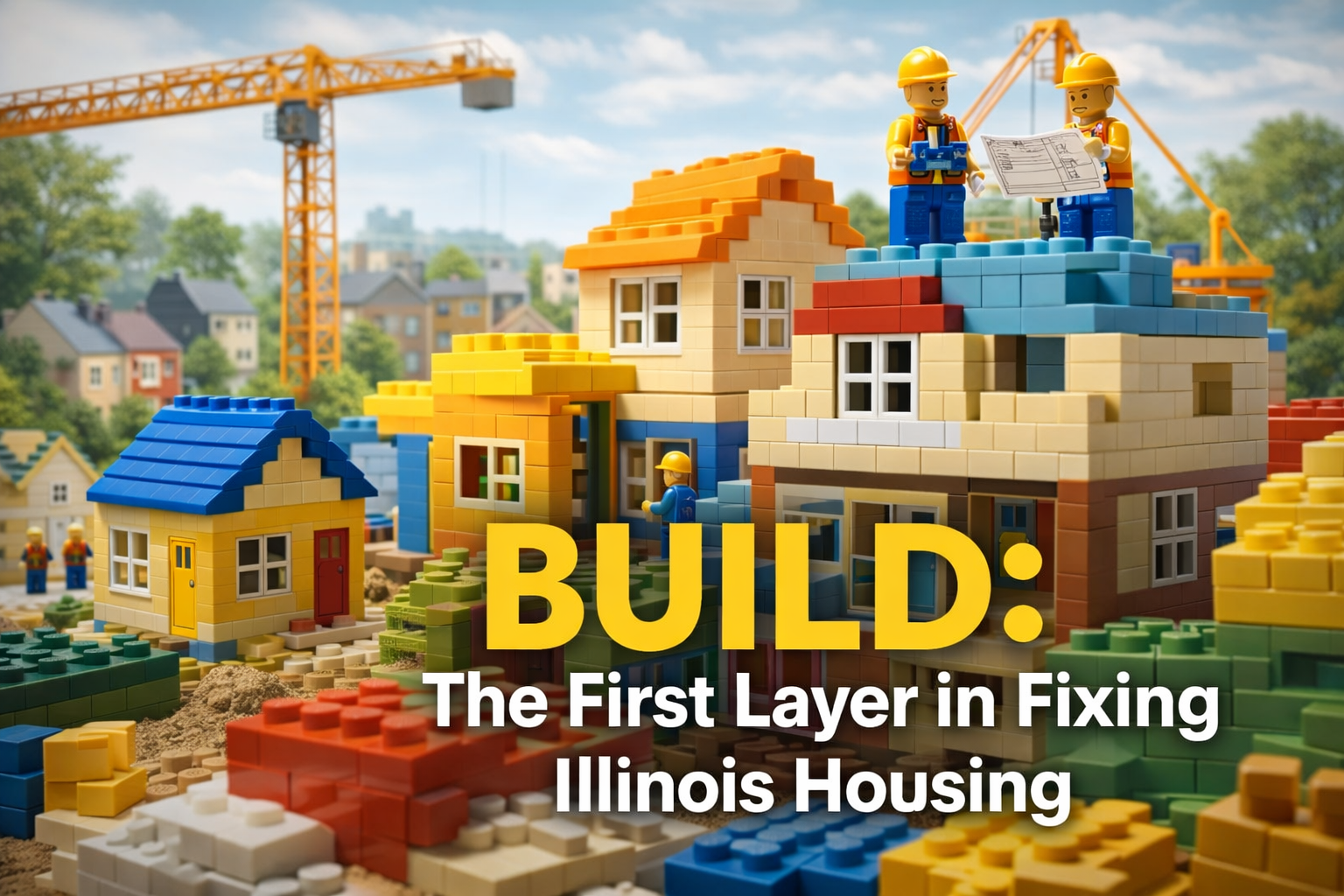
Housing Policy, Advocacy Neeley Erickson 2/27/26 Housing Policy, Advocacy Neeley Erickson 2/27/26 BUILD: The First Layer in Fixing Illinois Housing Read More
Housing Policy, Advocacy Neeley Erickson 10/1/25 Housing Policy, Advocacy Neeley Erickson 10/1/25 How Data Strengthens Housing Policy: Why the REALTOR® Statistics Dashboard Matters Read More
Housing Policy, Local Government & Community Impact Neeley Erickson 7/17/25 Housing Policy, Local Government & Community Impact Neeley Erickson 7/17/25 When Housing Policy and Transit Funding Collide Read More
Property Taxes & Affordability, Housing Policy Neeley Erickson 1/31/25 Property Taxes & Affordability, Housing Policy Neeley Erickson 1/31/25 Property Rights, Tax Foreclosures, and the Ongoing Impact of Tyler v. Hennepin County Read More
Advocacy, Property Taxes & Affordability Neeley Erickson 8/27/22 Advocacy, Property Taxes & Affordability Neeley Erickson 8/27/22 It’s Time to Encourage Elected Officials to Reduce Property Taxes Read More
Housing Policy, Local Government & Community Impact Neeley Erickson 12/11/21 Housing Policy, Local Government & Community Impact Neeley Erickson 12/11/21 Local Governments Should Invest in Homeownership Read More